About
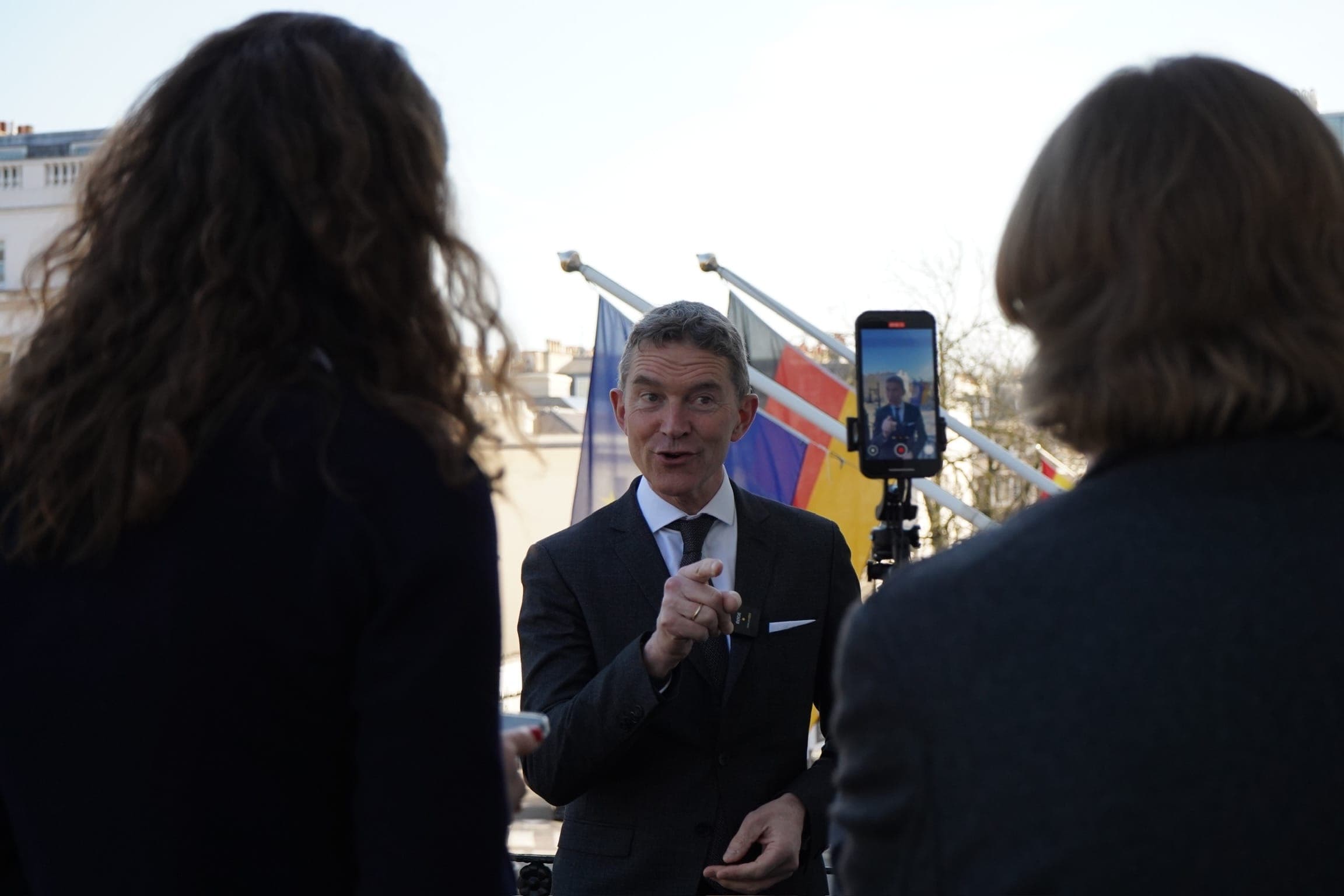
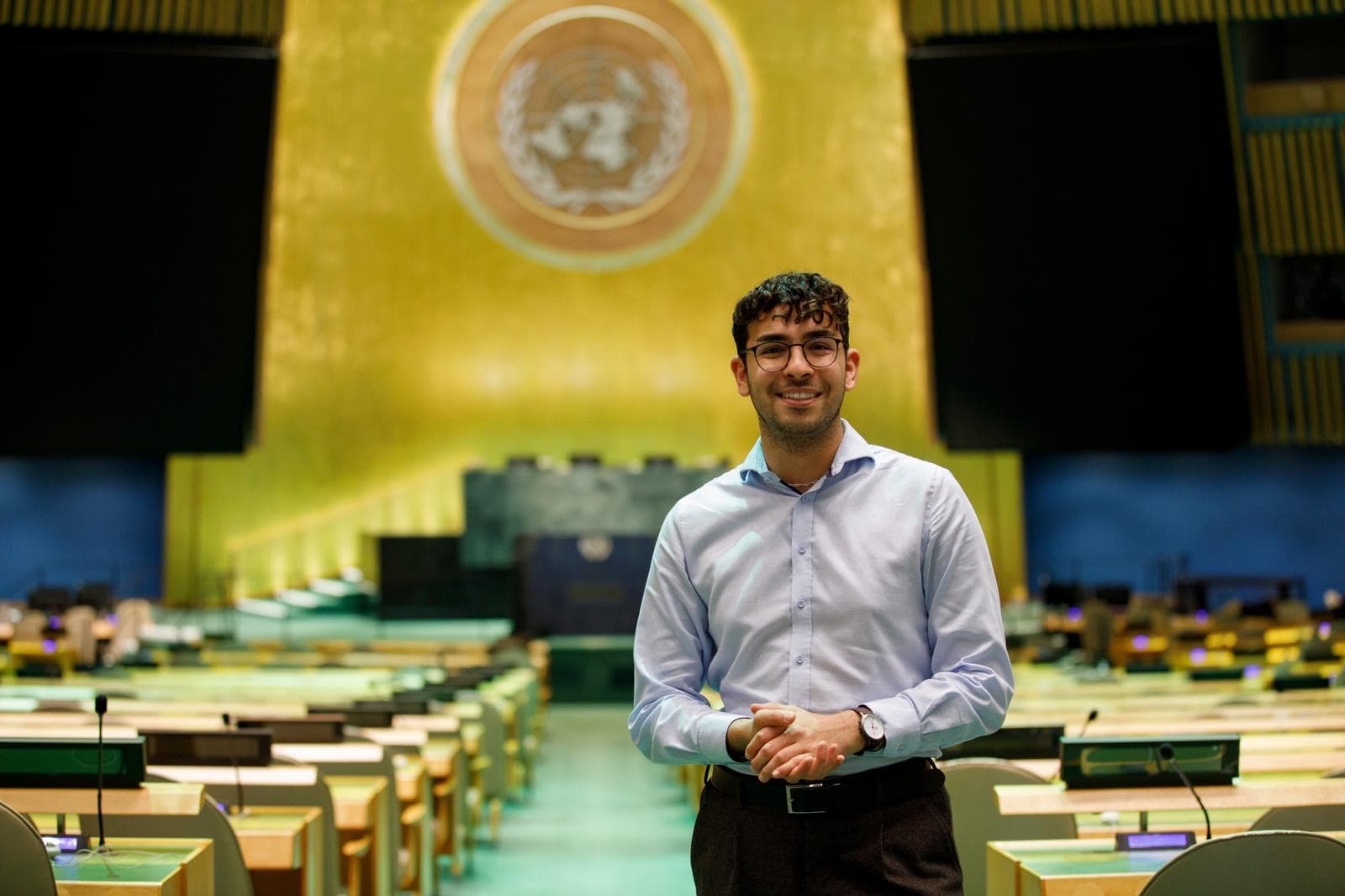
I work in communications around international affairs, diplomacy and public institutions. At the moment, I am part of the communications team at the Office of the President of the United Nations General Assembly in New York, working across General Assembly debates, high-level meetings and longer-term processes such as the selection of the next UN Secretary-General.
The work shifts quickly between planning and delivery. One day might involve building a campaign around a process that will unfold over several months. Another might mean writing a script, developing a visual idea or turning a speech into a short video while the meeting is still underway.
The difficult part is rarely finding more information. There is usually too much of it. The real task is deciding what people need to understand first, what can wait and where simplifying the issue would begin to distort it.
Background
I studied Politics and International Relations in Lisbon, Paris and Berlin before completing an MSc in Politics and Communication at the London School of Economics.
My dissertation examined how different actors justified violence against journalists in Gaza and received the Silverstone Dissertation Prize.
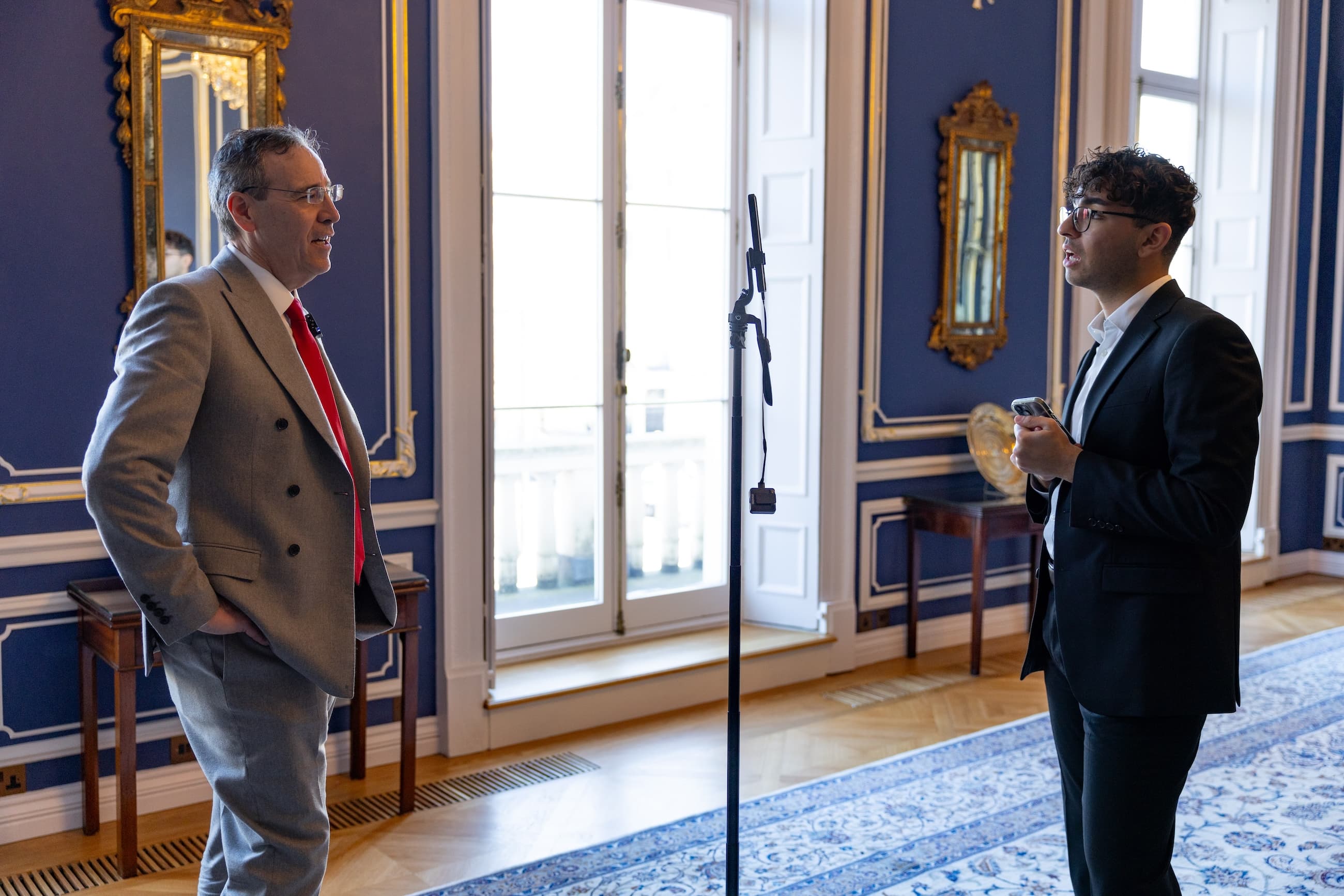
Before moving to New York, I worked at the European Union Delegation to the United Nations in Geneva, producing social media content around EU policy positions. The work involved adapting technical policy language for public channels while keeping the wording consistent with agreed positions and the conventions of a formal diplomatic setting.
Approach
I tend to think visually early. Before the final words or format are settled, I usually have a sense of how the information should unfold, what the audience will notice first and where they may lose interest.
That shapes how I approach the structure of a campaign, the opening of a video, the order of a carousel and the central idea connecting the different parts of a story.
The visual structure only works if the substance is clear first. I want to know what has changed, who is involved, what is at stake and where people are likely to get lost.
From there, the work becomes concrete. A technical process becomes a public explainer. Several pages of notes become a script. A live event becomes a sequence of messages adapted for different platforms while the programme is still moving.
The strongest ideas usually improve through discussion. I like putting unfinished thoughts on the table, testing different directions and finding the weaknesses before anything is published.
I enjoy moving between the larger question and the detail, then carrying an idea from its first outline through to the finished campaign or piece of content.
Most of my experience so far has been in digital and public-facing communications. That has meant seeing which explanations people understand, which details are missed and which messages travel beyond their original context.
I am interested in contributing earlier, when the communications objective, audience and central argument are still being defined.