Explaining the Pact
A public communications series connecting the Pact for the Future to specific issues, country examples and visible results.
Office of the President of the United Nations General AssemblyMay to July 2026
Context and challenge
The Pact for the Future covers peace, climate action, digital governance, youth participation and reform of the international system. That breadth is central to the agreement, but it also makes the Pact difficult to explain to audiences who do not already follow multilateral policy.
A summary of the full document would have produced a long list of commitments. It would have said little about where those commitments connected to people’s lives or what implementation looked like after adoption.
The series therefore focused on individual parts of the Pact. Each piece began with a specific issue, country example or emerging result and used it to explain one part of the wider agreement.
Timing also mattered. The Pact had already been adopted. The communications needed to focus on what was happening afterwards: how commitments were being followed, where implementation had begun and where progress was still needed.
My role
I helped lead the editorial strategy and campaign sequence within the Office’s communications team.
I selected themes for the series, developed the main concepts and shaped the visual direction across videos, explainers and event content.
I developed the introductory “Where do you see yourself in the future?” video. It provided a broad opening to the series before later outputs moved into individual policy areas and examples of implementation.
Several implementation stories were produced by fellows under my supervision. I set their editorial and visual direction, trained them to use the campaign system, reviewed their research and drafts and guided each piece through production and clearance.
This allowed us to cover a wider range of subjects while keeping the writing and design consistent.
Research, writing and event coverage were developed with the wider communications team. My role was to turn that material into concepts, scripts and platform-specific formats.
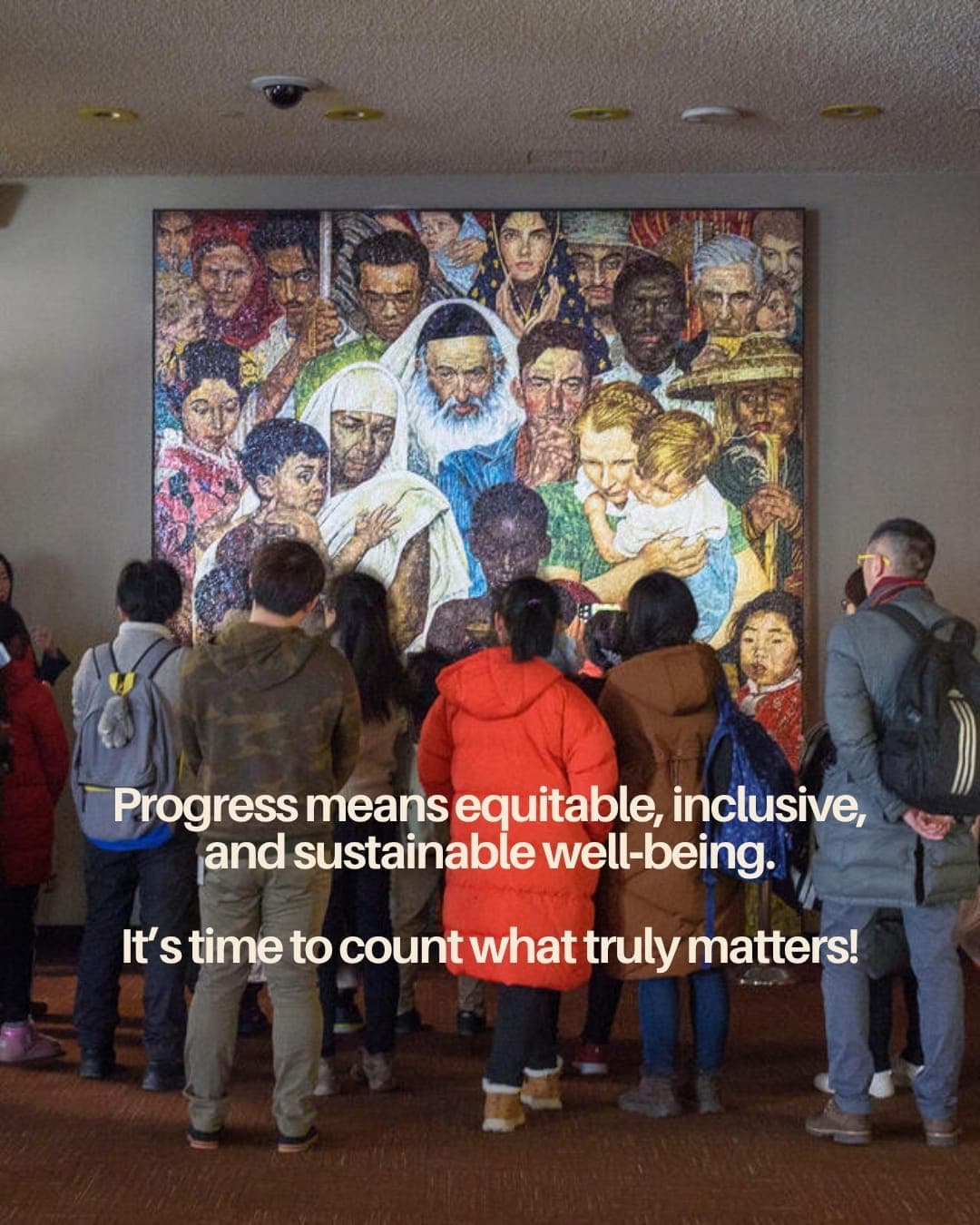
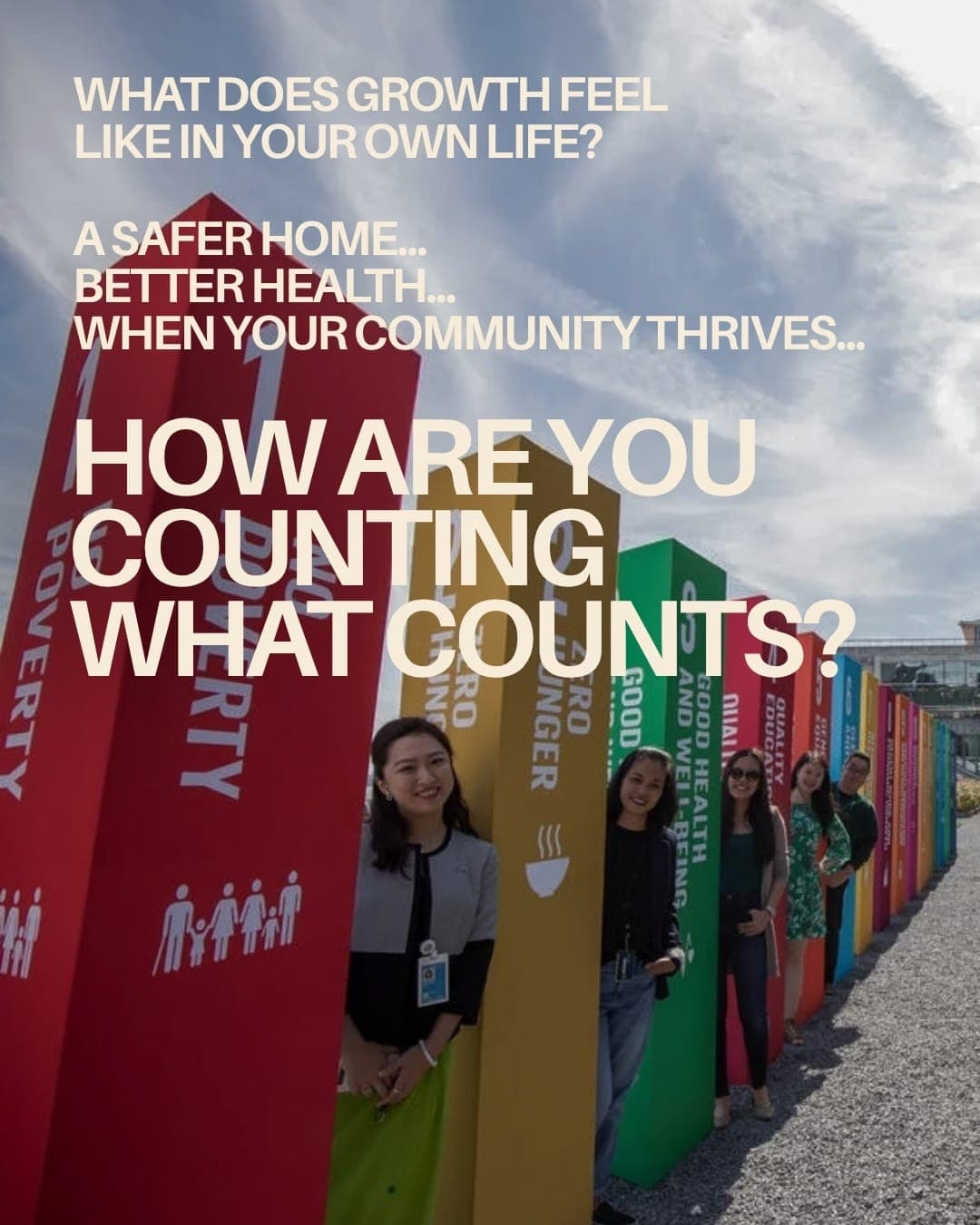
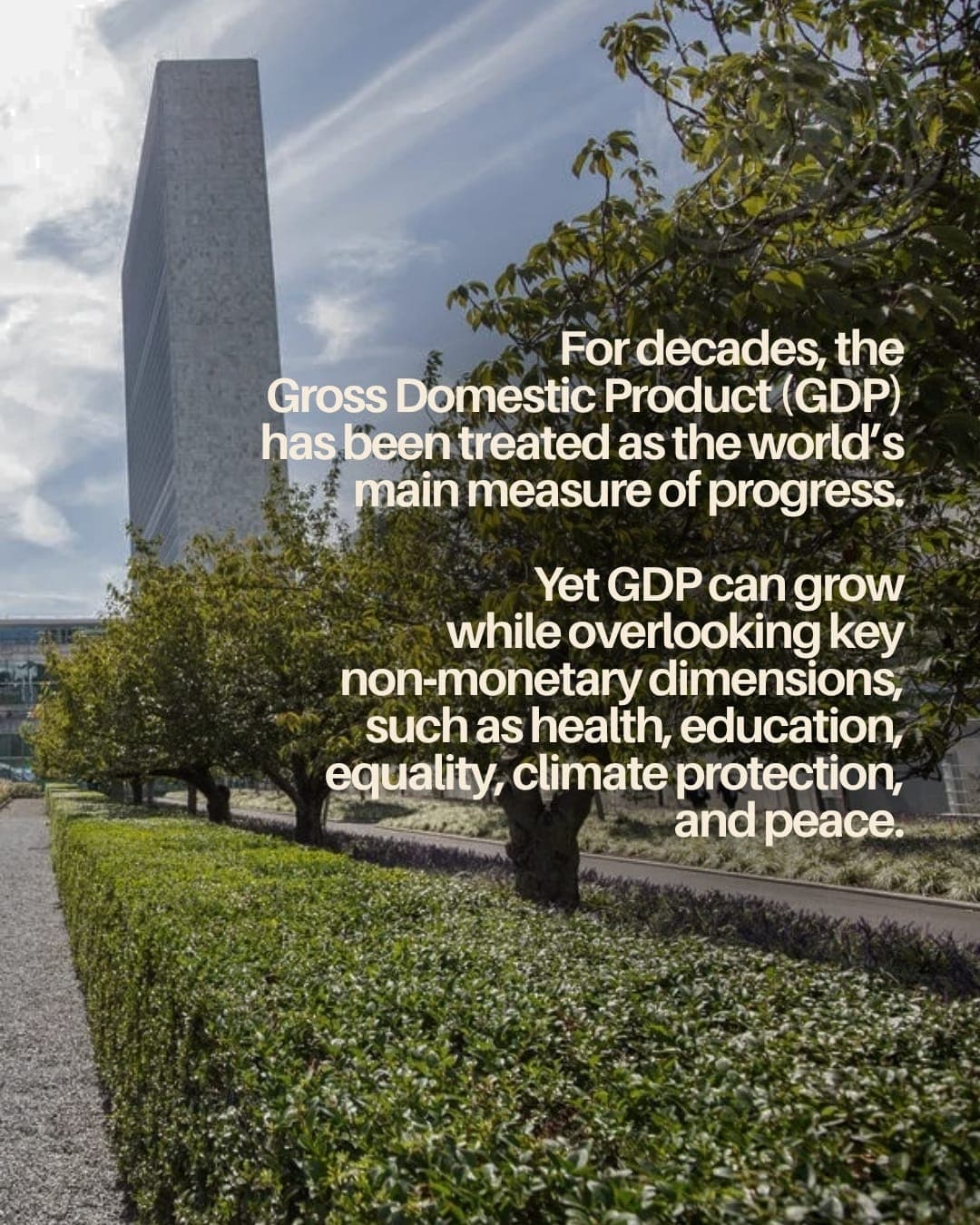
Instagram carried the most visual and accessible explanations. X focused on events, implementation updates and real-time coverage. LinkedIn provided more policy context for diplomatic, civil society and professional audiences.
Slide 1 / 4
Key decisions
Choose examples instead of summarising everything
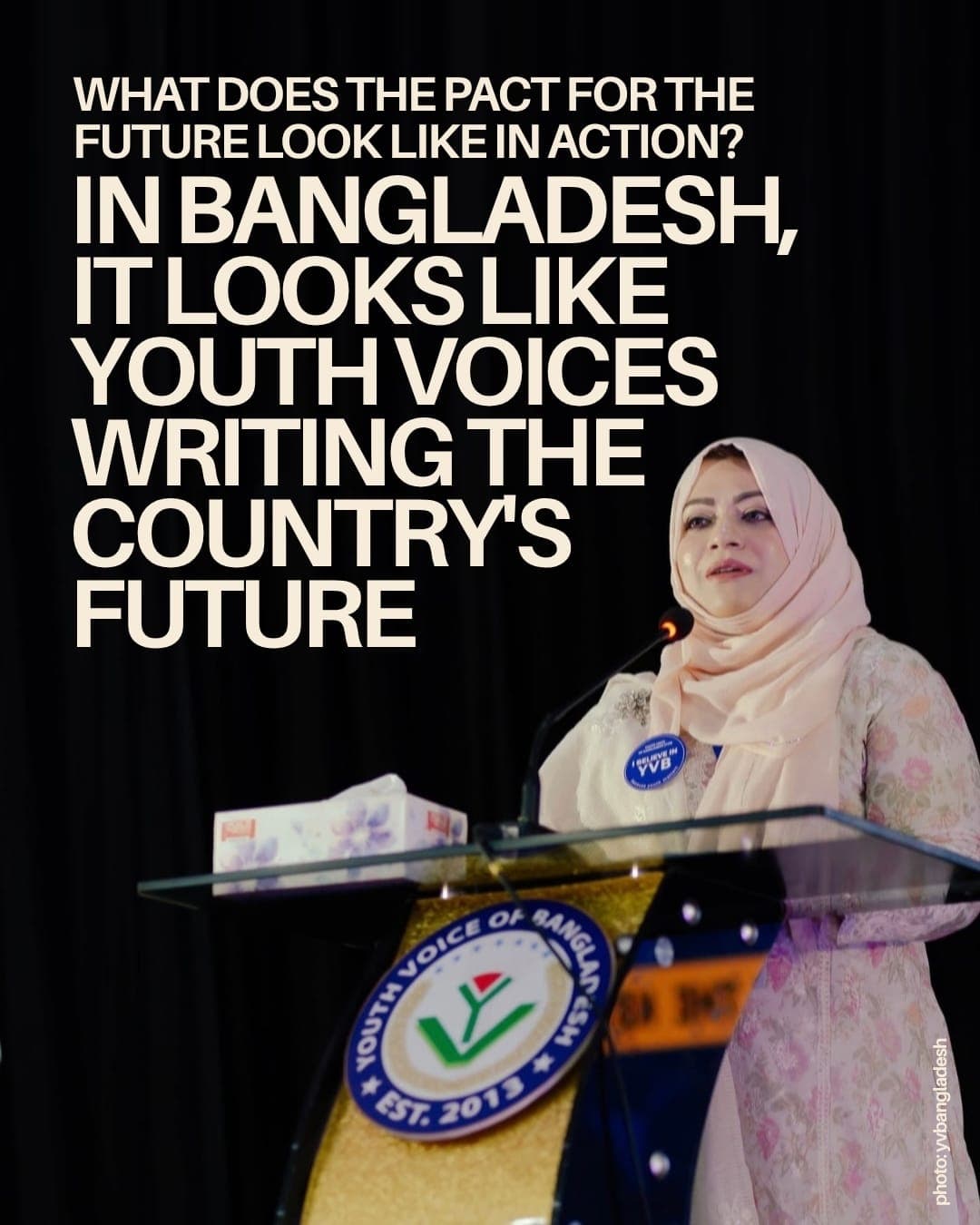
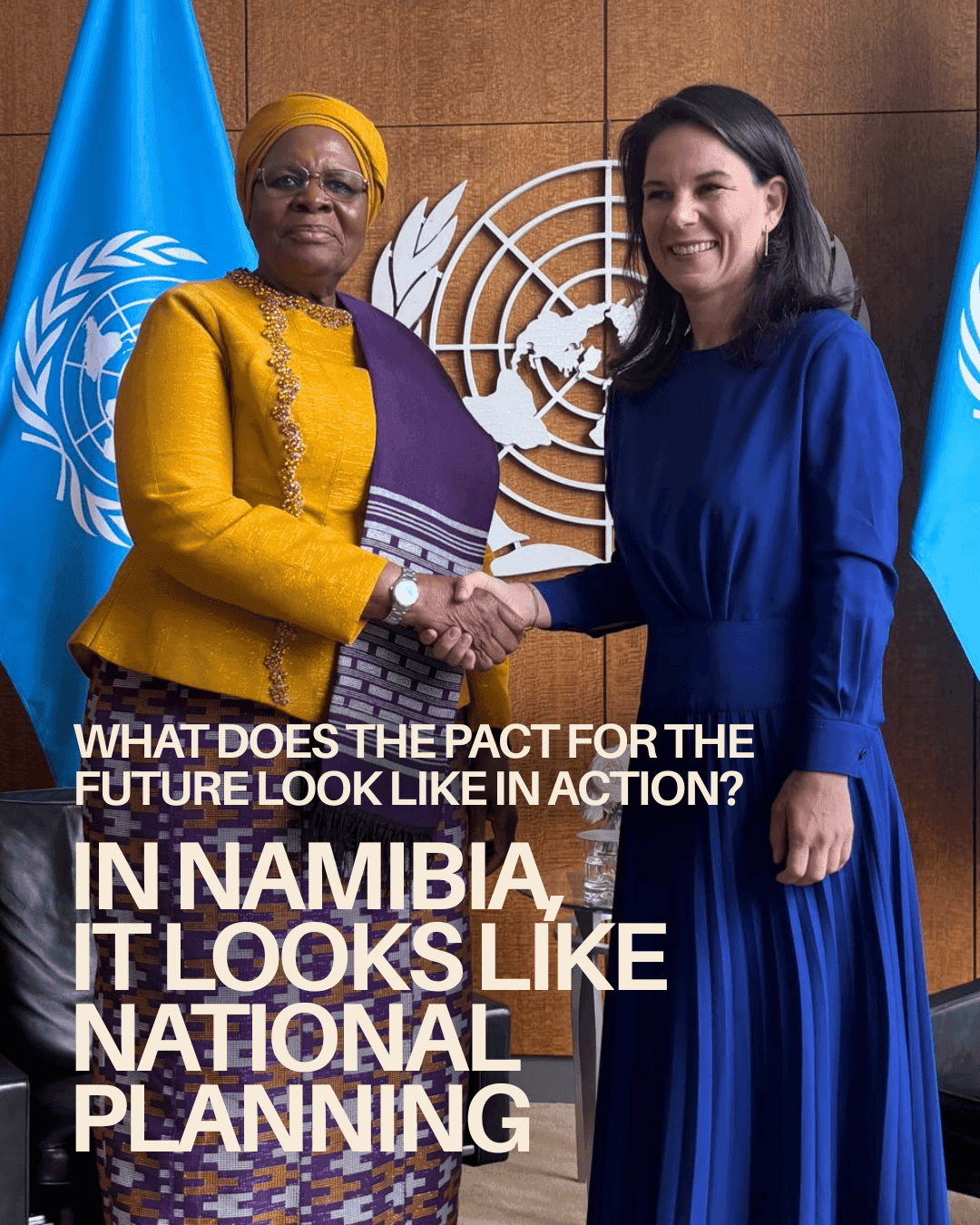
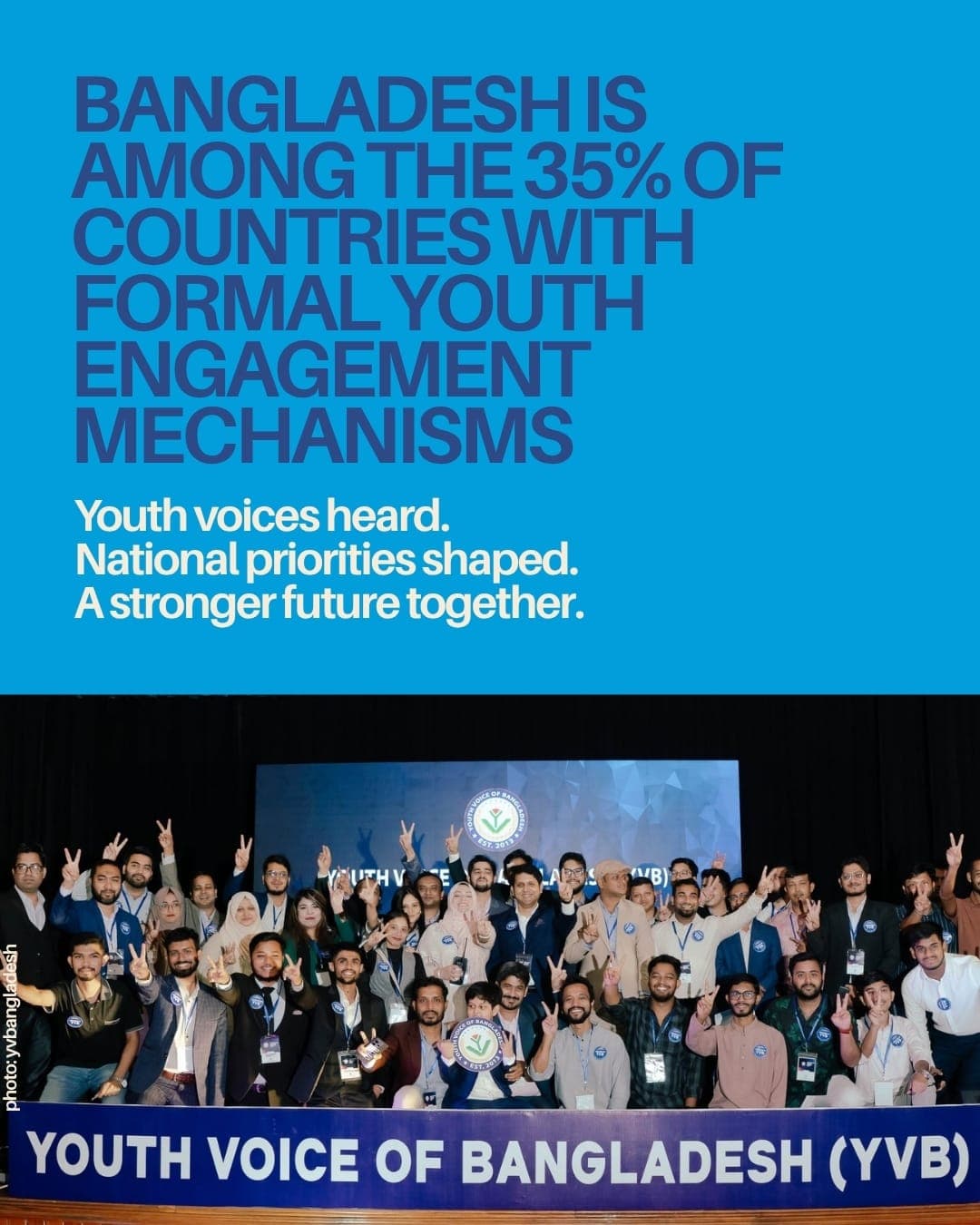
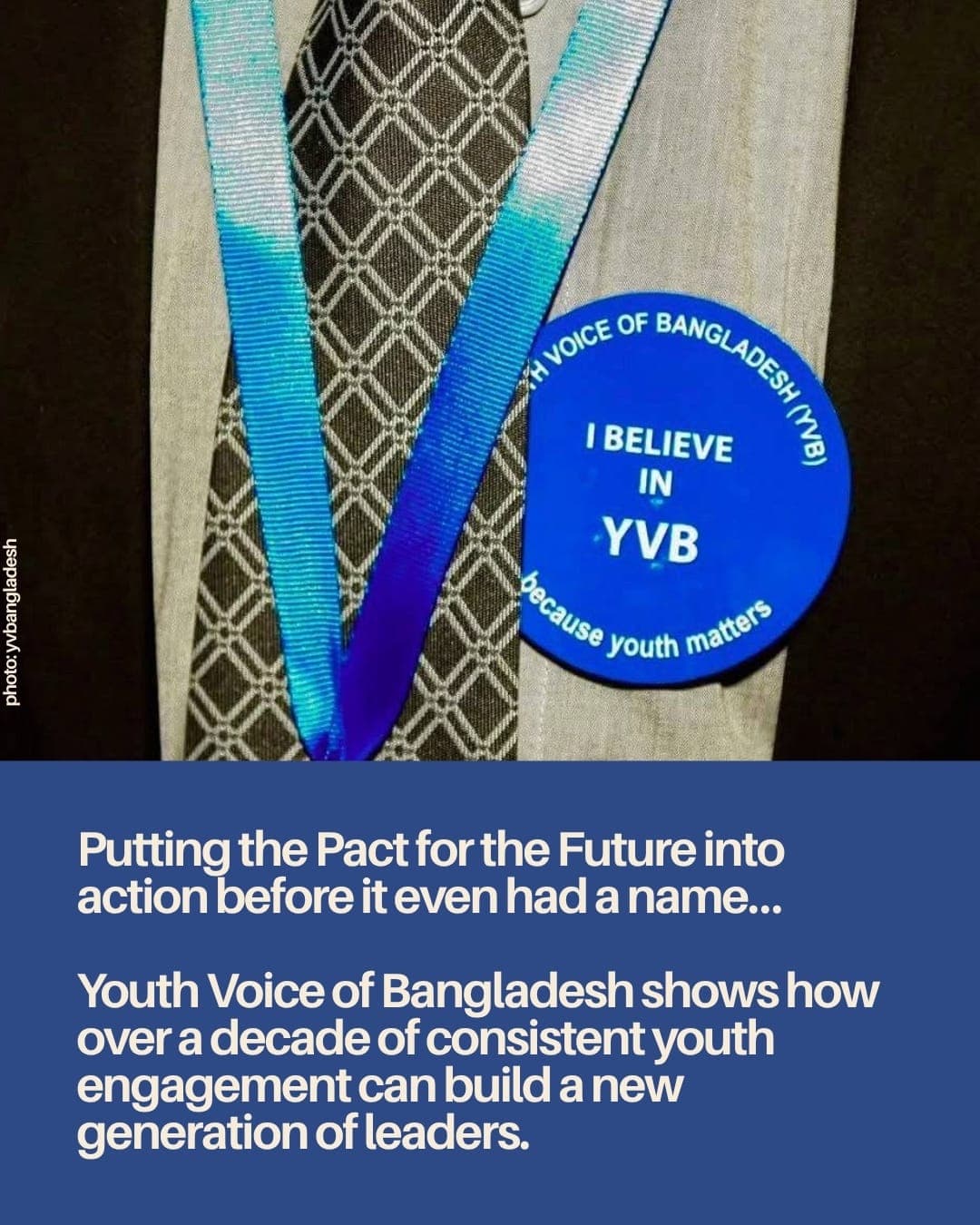
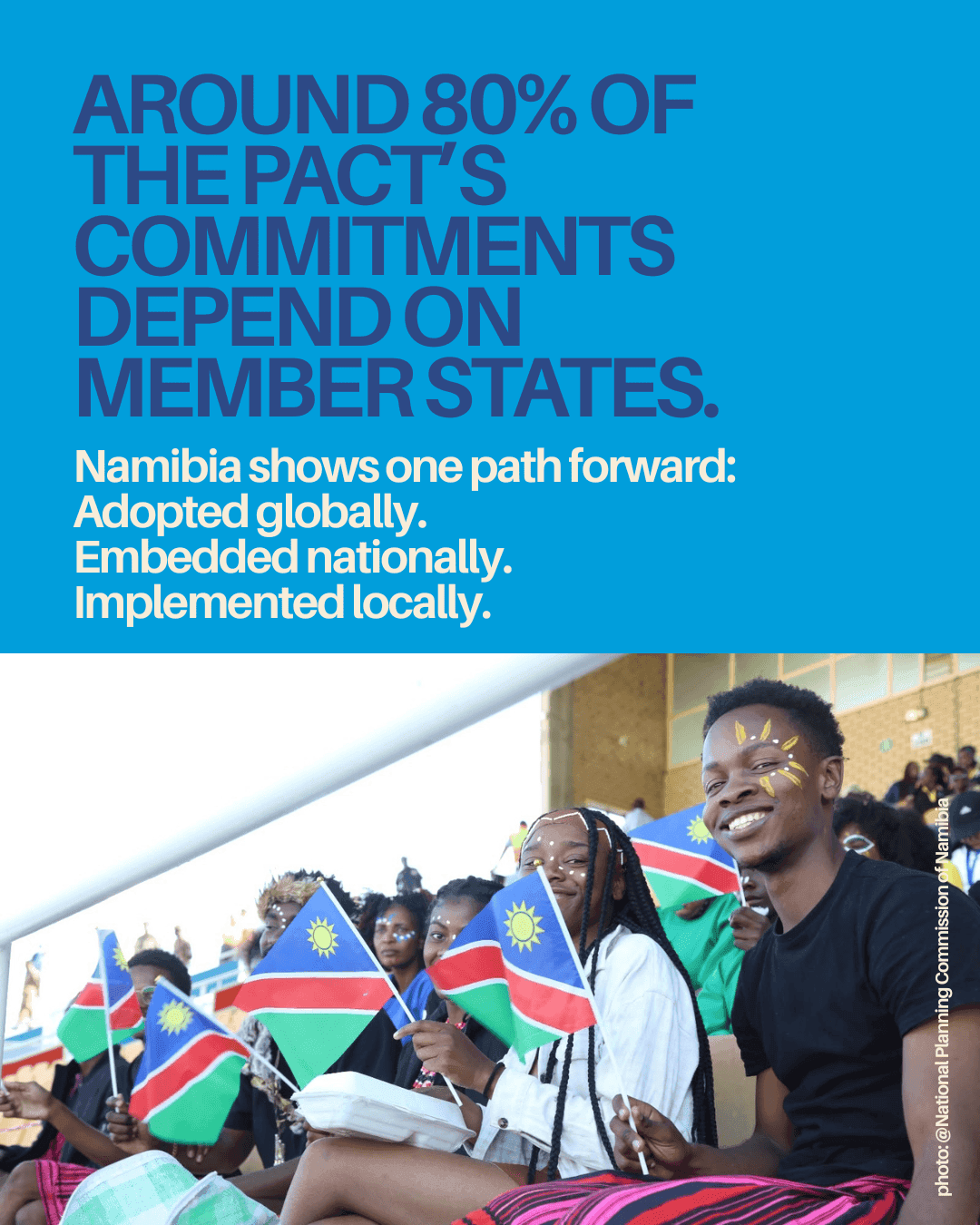
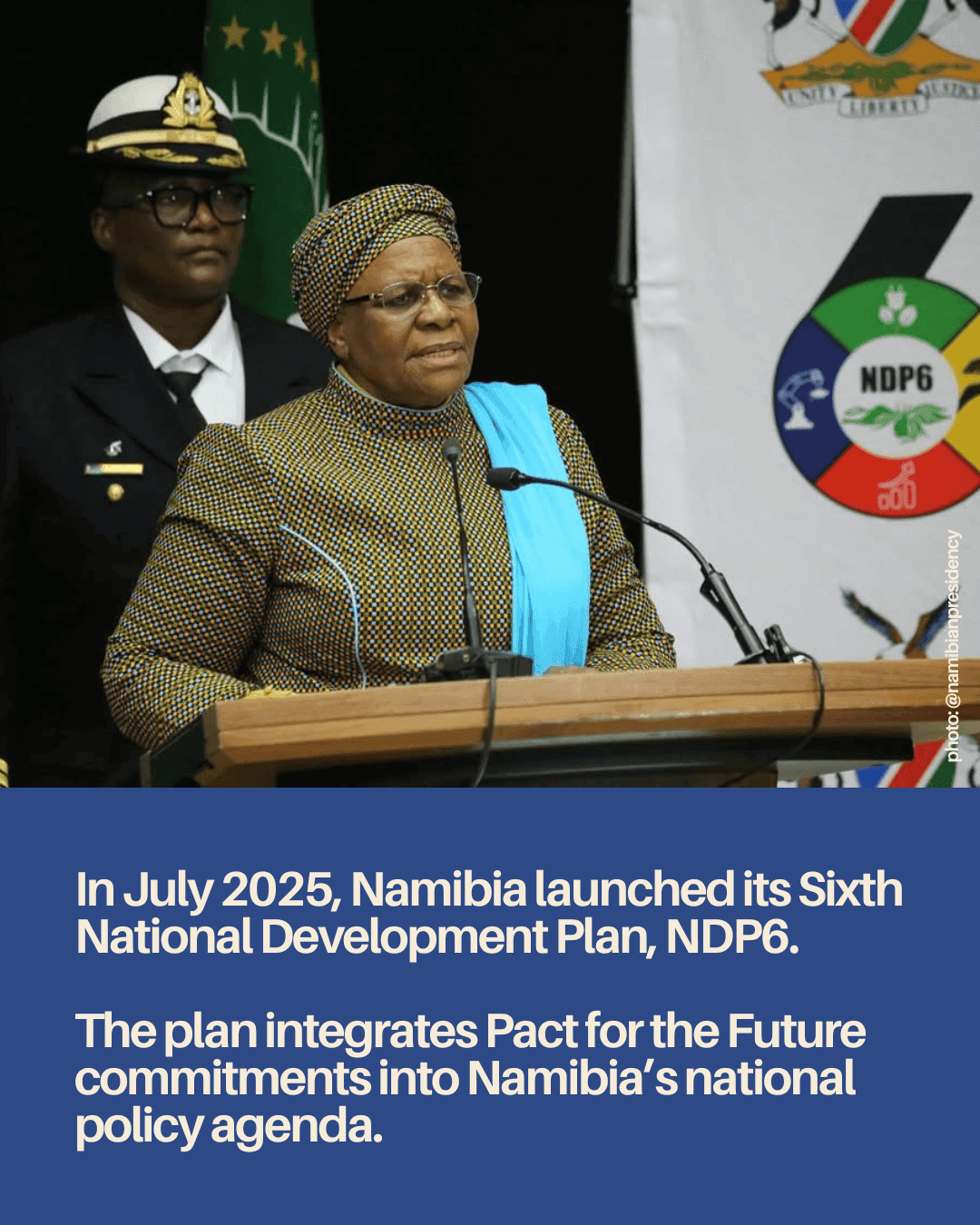
Trying to explain the entire Pact in one piece would have reduced very different policy areas to a list. The series gave each selected theme enough room to be understood on its own. Country examples and figures provided evidence of what implementation could look like, without suggesting that any one example represented the full agreement.
Start with the heart or the pocket
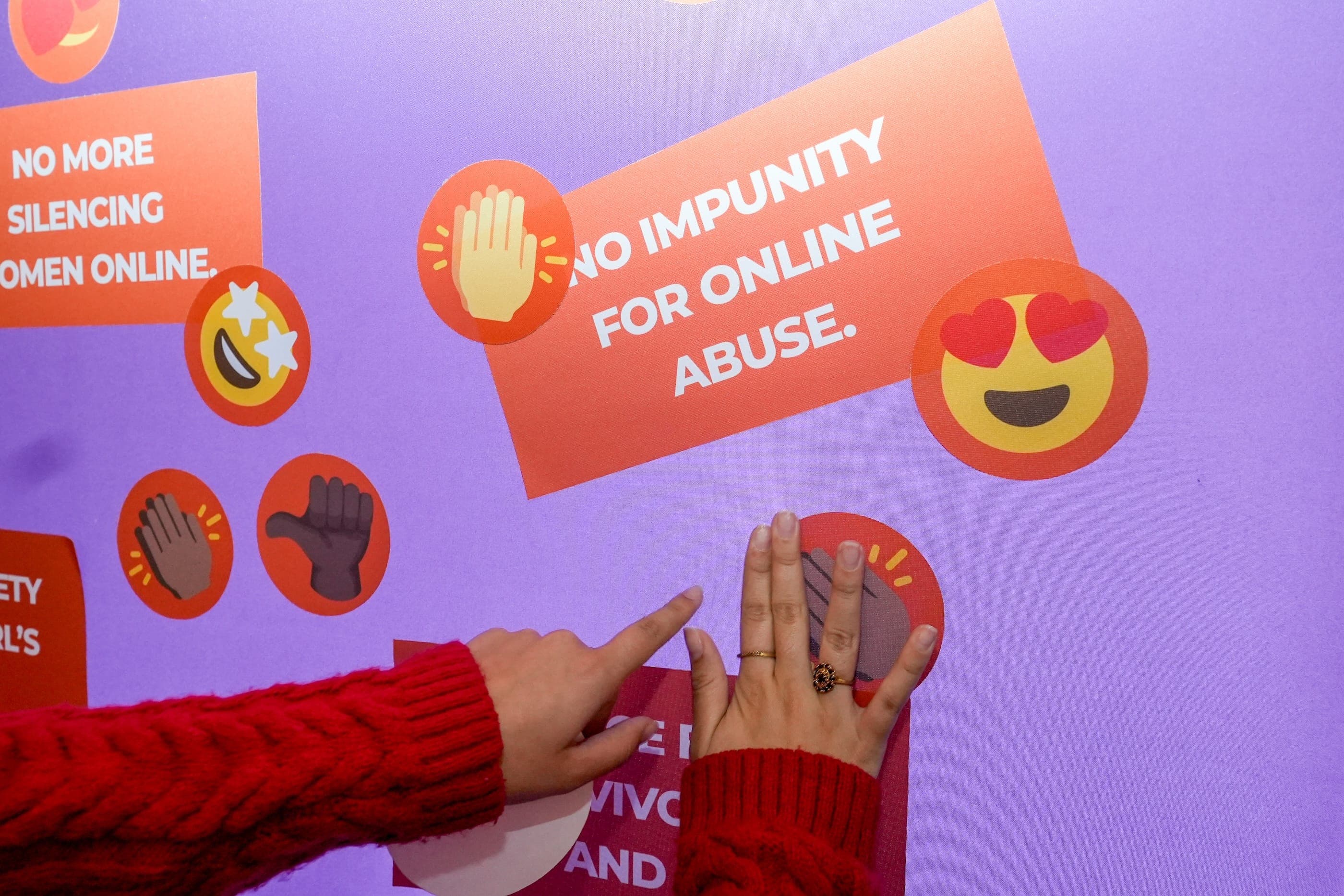
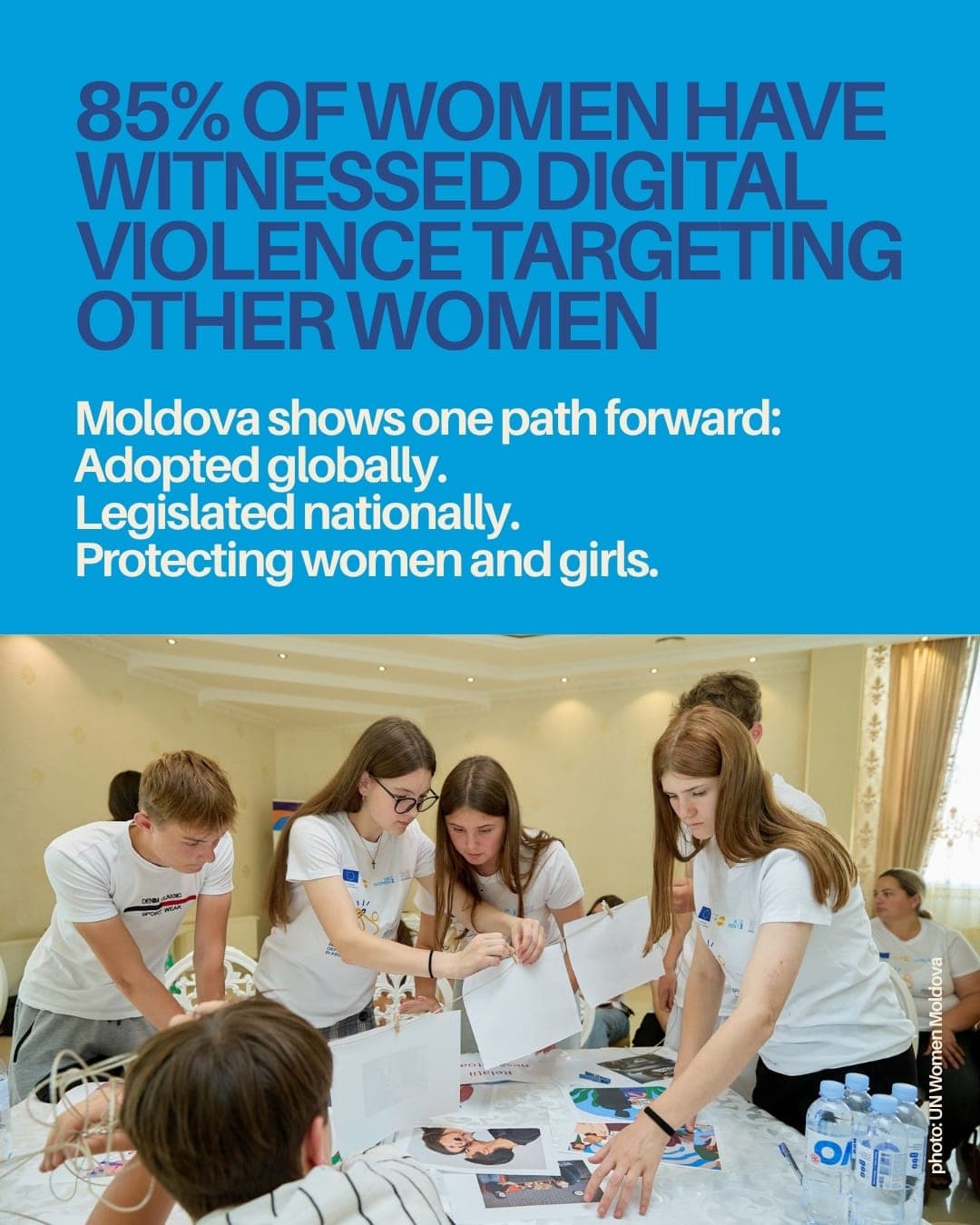
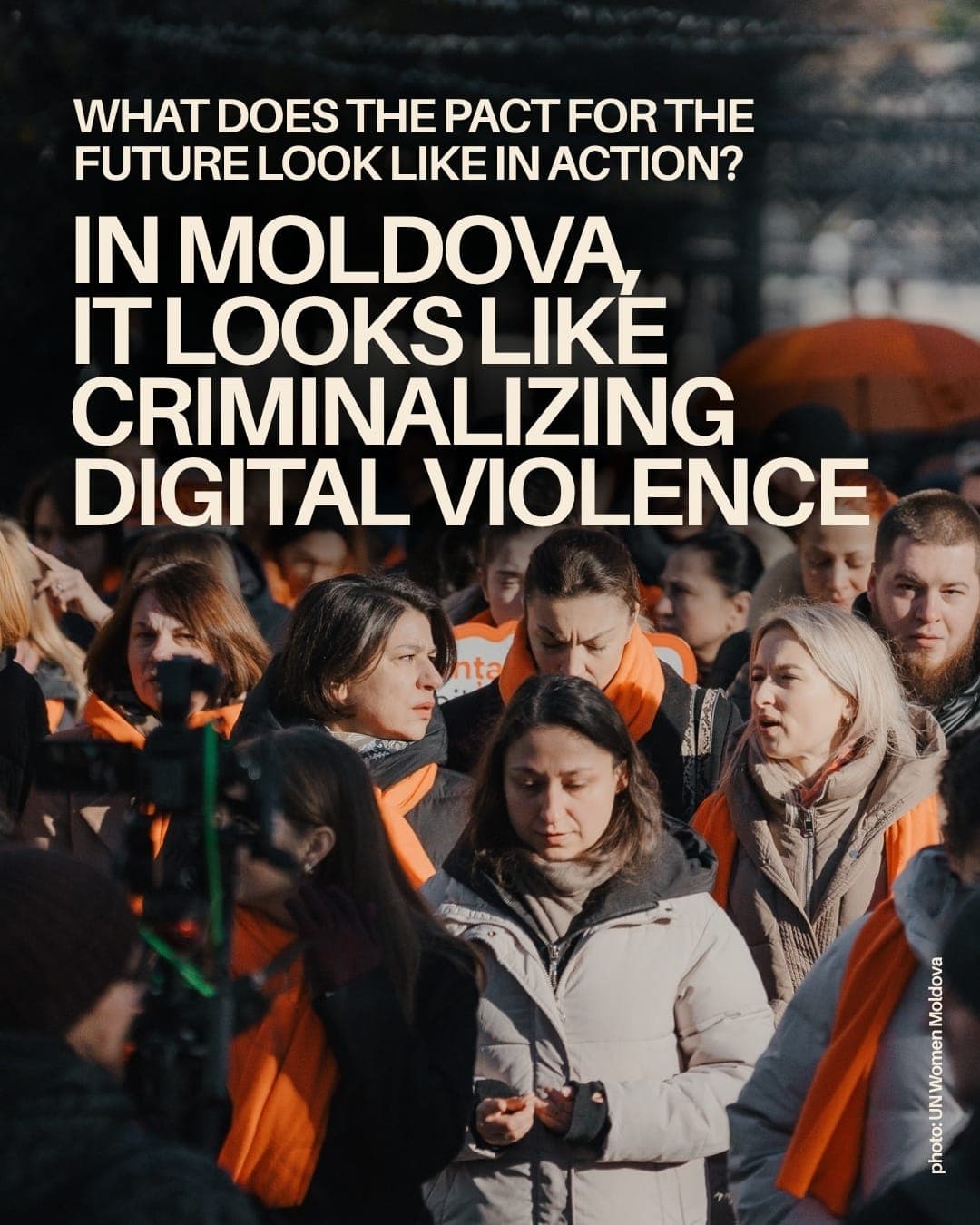
We used “the heart or the pocket” as an internal editorial test. A prospective story needed to connect to something people could recognise in their lives, either emotionally or materially. This helped us identify the public relevance of subjects such as digital violence, youth participation, climate impacts and artificial intelligence. The content could then begin with how an issue affected someone’s safety, rights, opportunities or livelihood before introducing the related provisions of the Pact. The phrase guided story selection internally. It was never used as a public campaign slogan.
Follow implementation
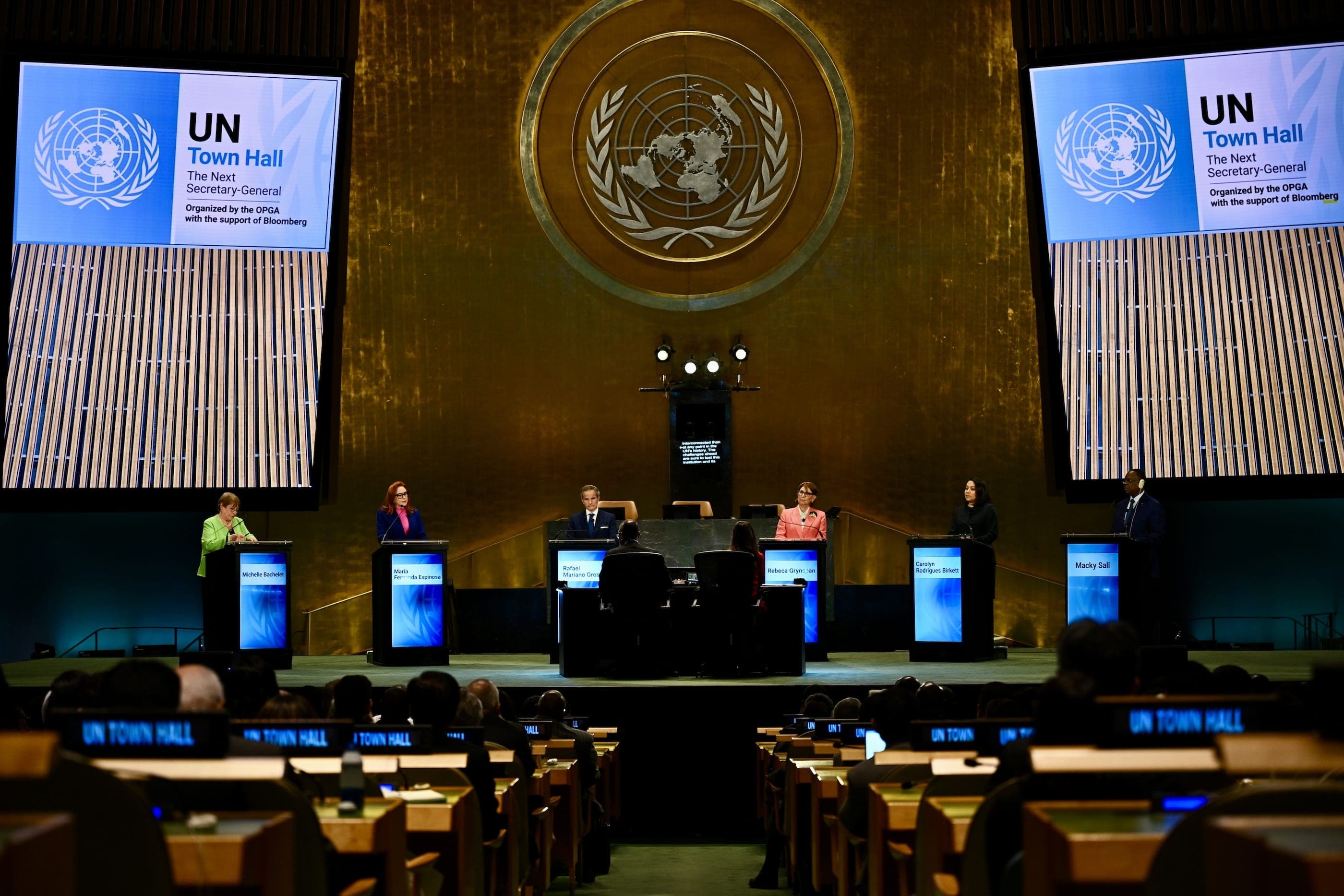
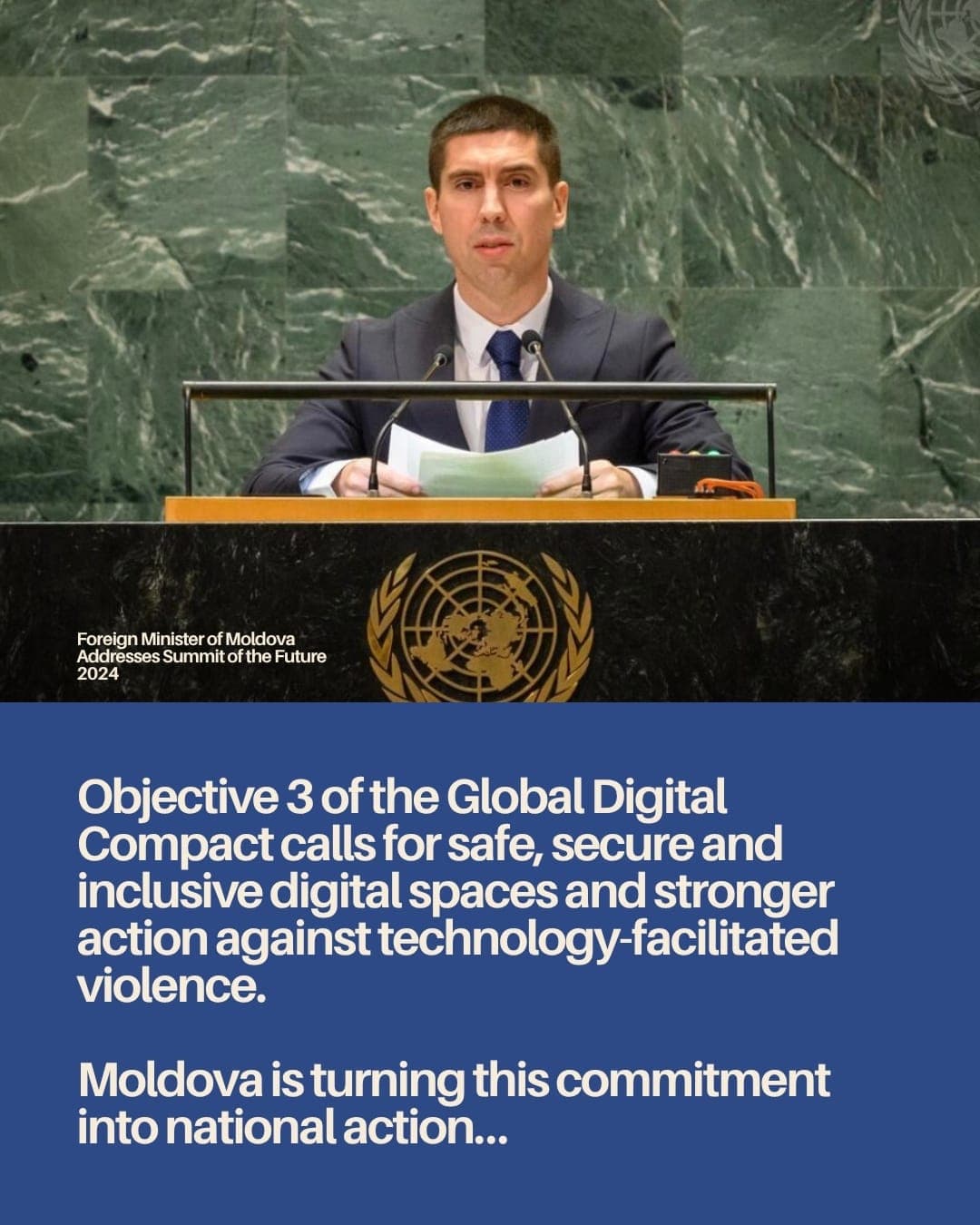
Because the Pact had already been adopted, the series concentrated on what followed. Some outputs explained action already underway. Others presented country examples or covered the formal stocktake meeting. Where implementation remained incomplete, the content said so rather than presenting adoption itself as the result.
Let the subject determine the format
The introductory video gave the series a broad starting point. Carousels were used when a subject needed a structured explanation, while event content followed political discussions on implementation and accountability. The project also showed the limitations of relying heavily on text-led formats. Some subjects would have worked better through interviews, field footage or direct contributions from people involved in implementation. Those formats could have made the connection between the international agreement and work taking place in different countries more immediate.
Slide 1 / 5
Slide 1 / 5
Outcome
By the end of July 2026, content published through the Office’s accounts had recorded more than 246,000 views and impressions across Instagram, X and LinkedIn. United Nations entities and Member States supported and amplified the series. The SDG Action team became a regular collaborator, helping individual outputs reach wider audiences and connecting them to broader communications around Pact implementation.
The series gave the team a structure that could be reused across very different policy areas. Rather than beginning every piece with the full agreement, we could begin with one subject and explain its connection to the Pact from there. There were also clear areas for improvement. With more production time, I would have produced more video and relied less on text-led carousels. Interviews and partnerships with people working on implementation in different countries could have introduced more voices and given the audience a closer view of the work taking place on the ground.
Slide 1 / 5
Credits Developed within the communications team at the Office of the President of the United Nations General Assembly. I helped lead the editorial strategy and campaign sequence, selected themes, developed concepts and shaped the visual direction across videos, explainers and event content. Research, writing and event coverage were produced collaboratively with the wider team. Several implementation stories were produced by fellows under my editorial and visual supervision.