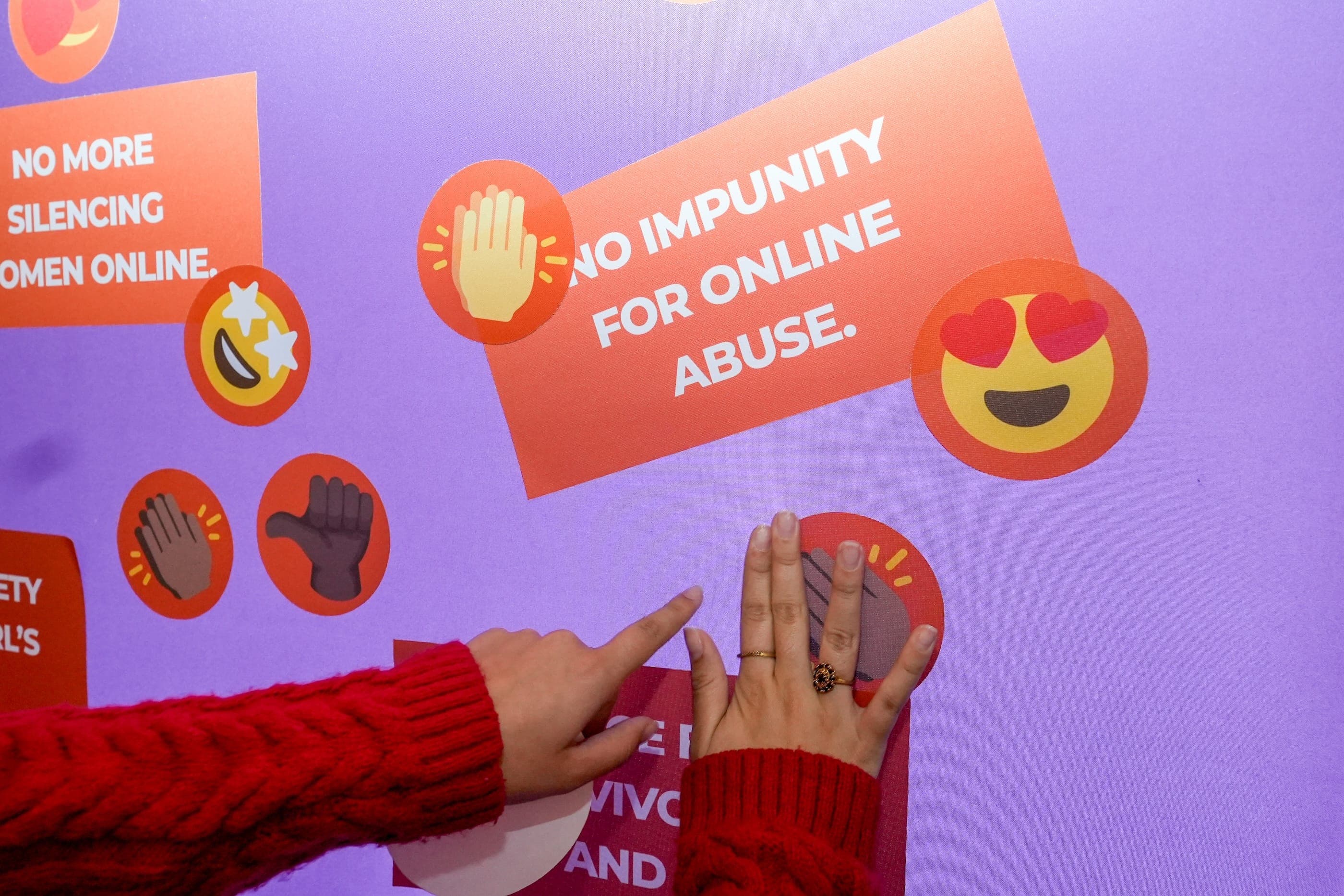
#LikeAWoman
A global International Women’s Day campaign designed for women across diplomacy, civil society and grassroots networks to tell their own stories.
Office of the President of the United Nations General AssemblyMarch 2026
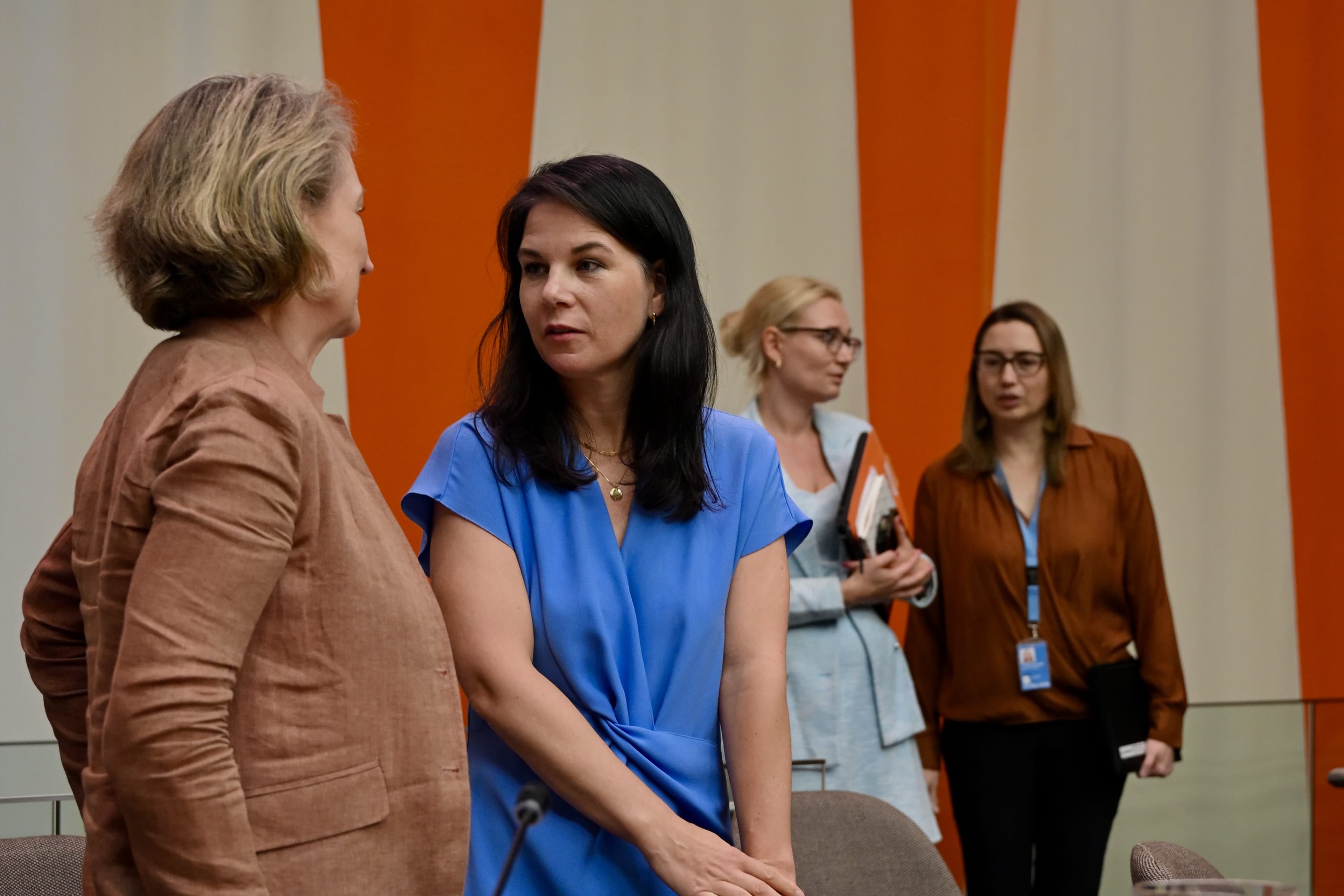
Context and challenge
International Women’s Day is one of the busiest moments in the UN communications calendar. Organisations across the system publish at the same time, frequently approaching the same public figures and working with similar themes.
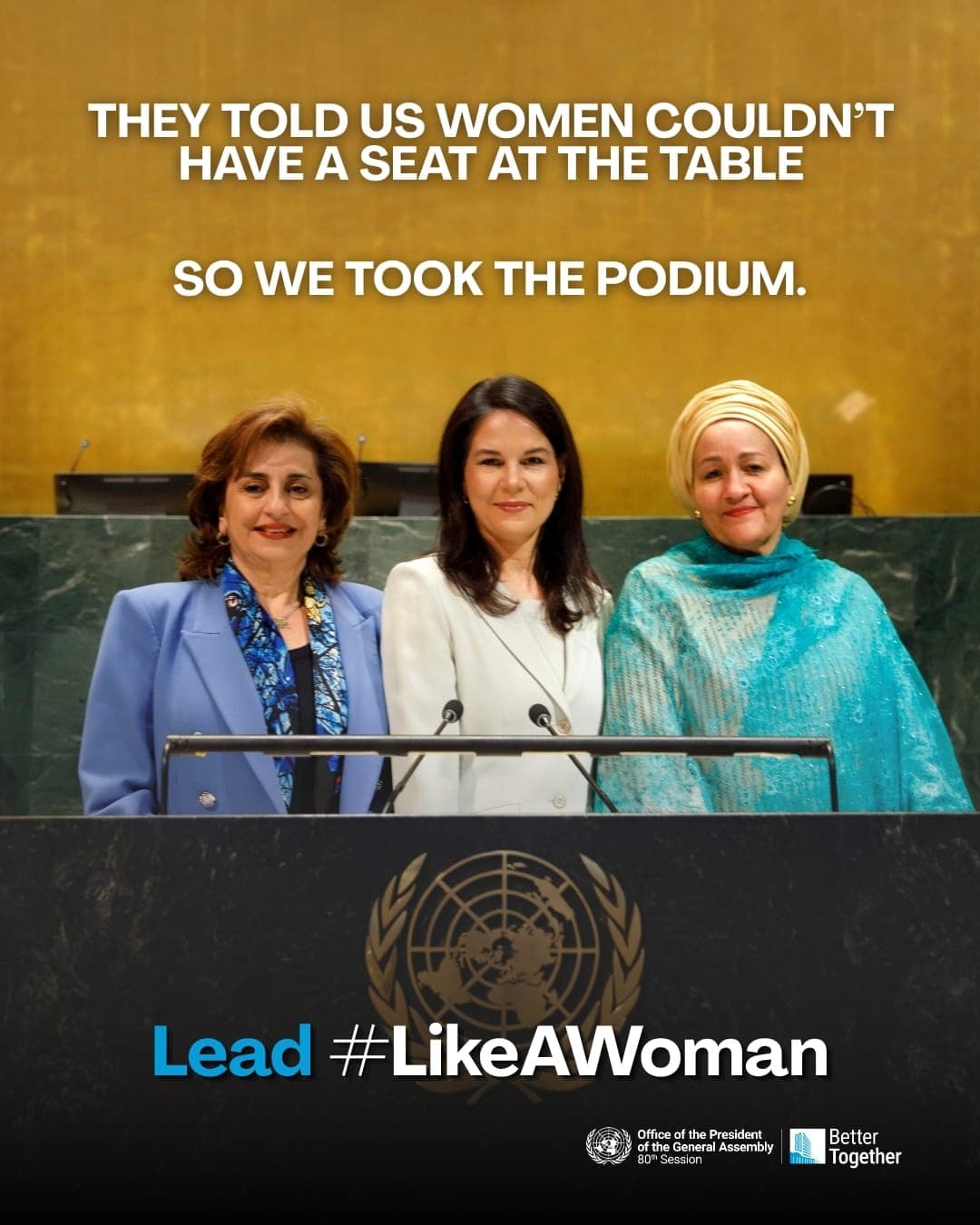
#LikeAWoman began by reversing language that has often been used to diminish women. Participants responded to phrases such as “like a woman” or “like a girl” through their own experiences of leadership, work, resistance and change.
The campaign included prominent figures, but its reach could not depend entirely on celebrity participation. It also needed to be open to women working in diplomacy, science, activism, civil society and local communities, including those without large public platforms.
The format therefore had to be recognisable enough to hold the campaign together while giving each participant room to tell a story that was specific to her own experience. It also needed to travel easily through networks beyond the Office’s central accounts.
My role
My main focus was the grassroots participation component of the campaign.
I helped create the route through which people outside the central campaign could take part. I assembled the campaign toolkit in Trello, created an Instagram Story template and supported outreach across diplomatic, civil society, youth and UN networks.
The Trello board brought the participation materials into one place. It included the campaign framing, visual assets, suggested wording, hashtag and practical instructions.
The Instagram Story template offered a quicker way to participate for people who did not have the time or resources to produce a full feed post.
I also supported participant outreach, tracked the posts being published and identified content for amplification through OPGA’s Instagram Stories and X account.
This work formed one part of a wider campaign developed by the OPGA media and communications team. The team also managed the main campaign identity, high-profile contributors, central content and reporting.
Key decisions
Give participants a clear starting point
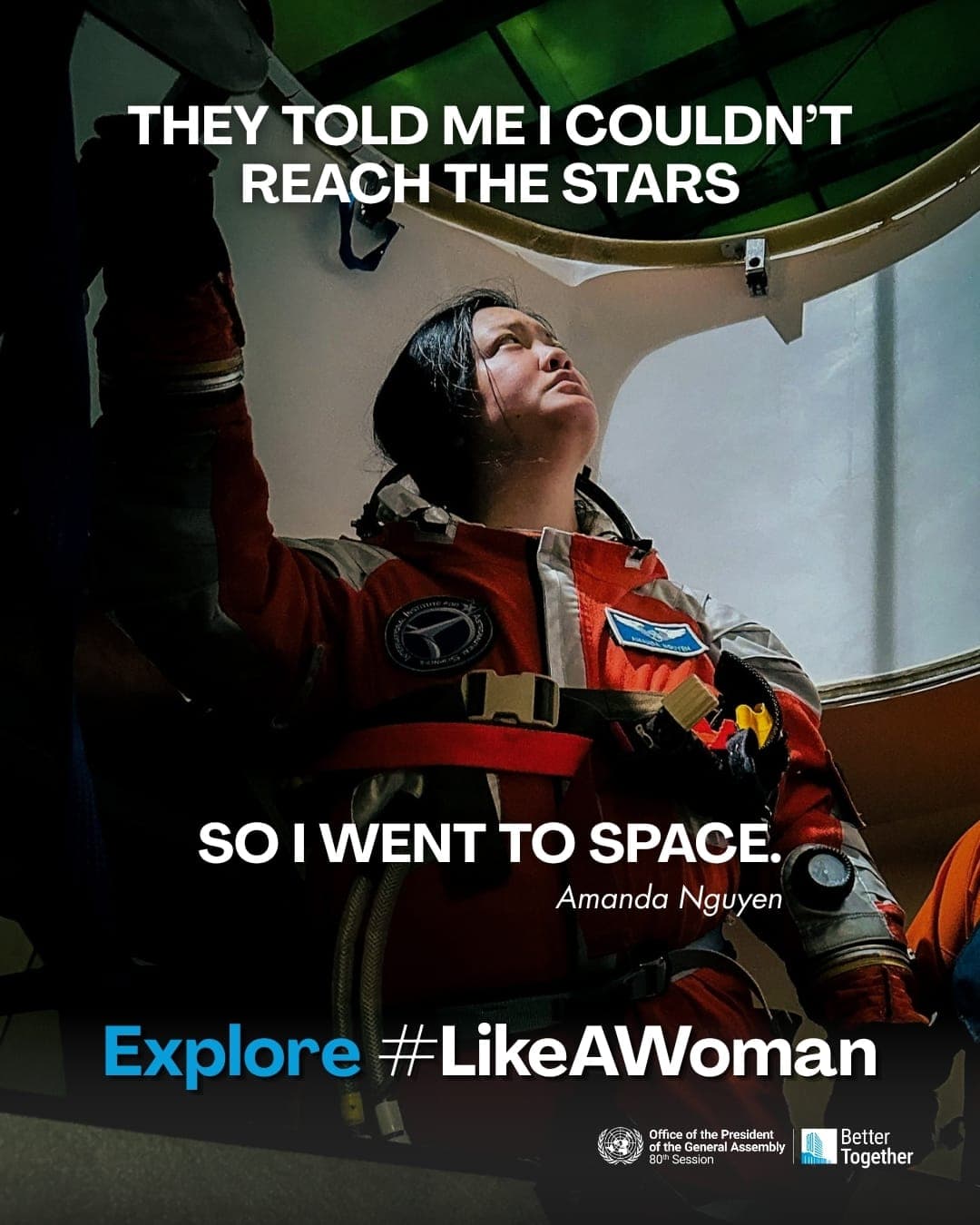
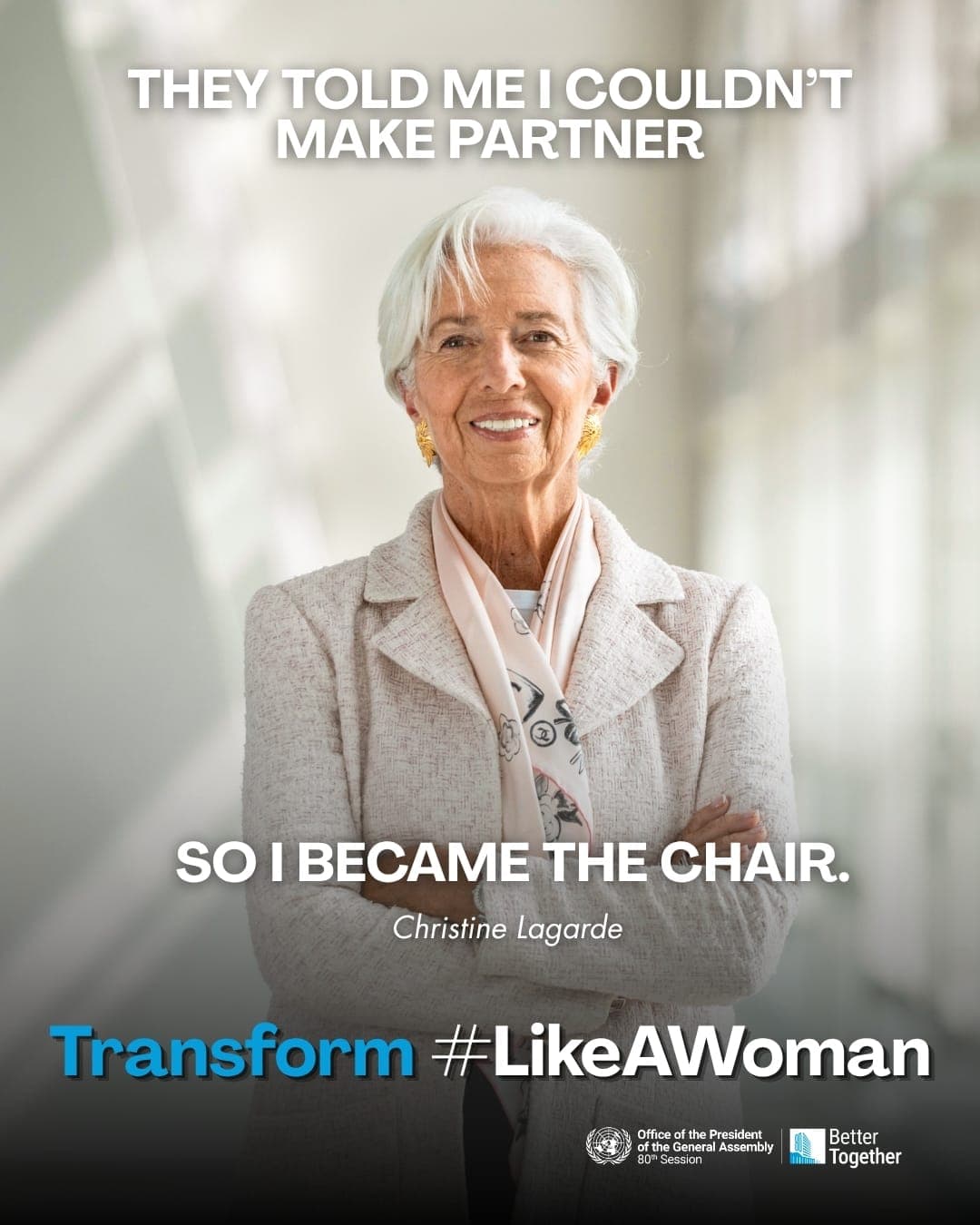
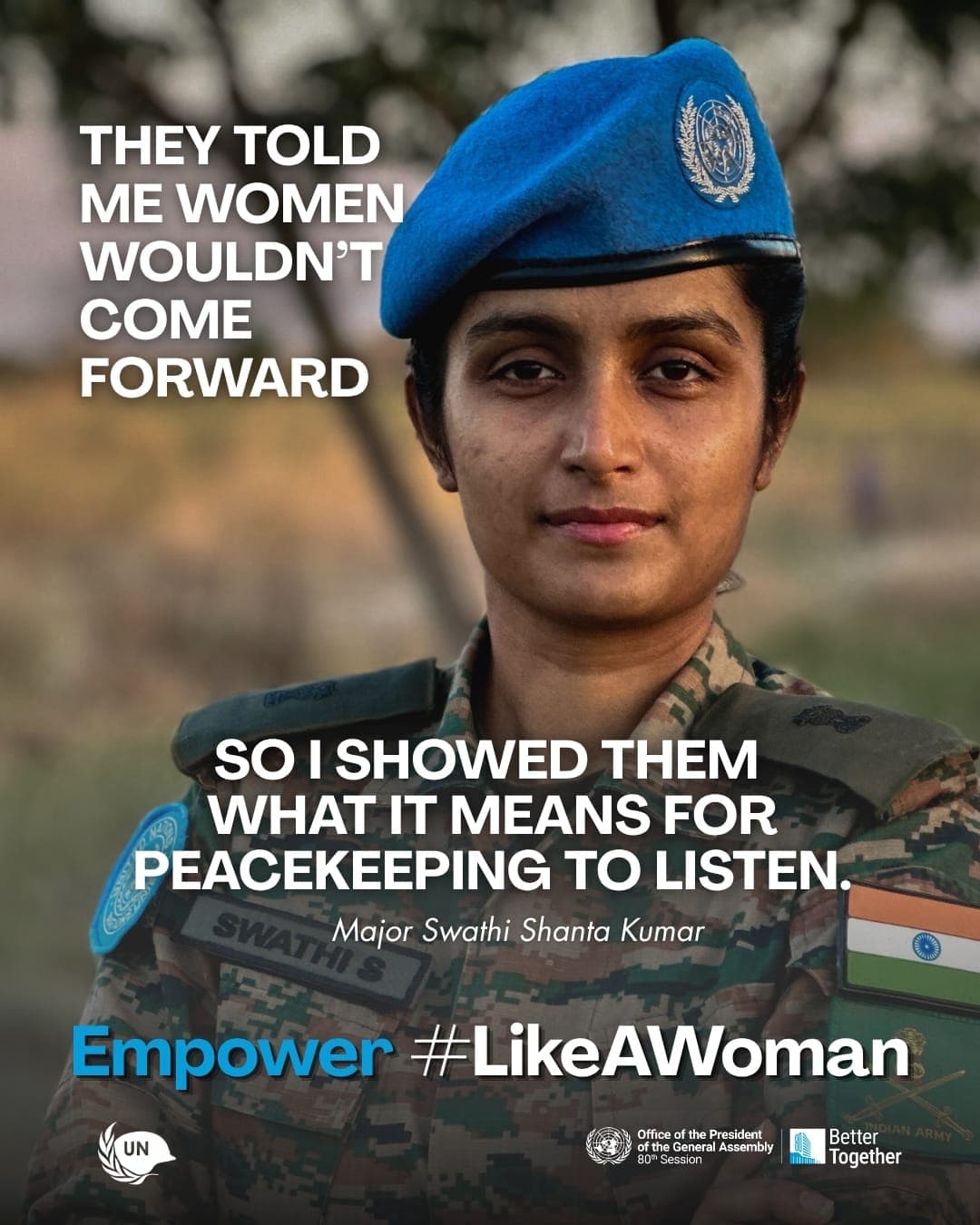
The “They told me…” and “So I…” structure gave participants a simple way into the campaign. Each person could name a stereotype, restriction or expectation and answer it through a specific experience or achievement. The recurring language and graphics connected the posts without making the individual stories interchangeable.
Design the route to participation early
The campaign needed practical tools for people who wanted to join. The Trello board gathered the necessary materials in one place, while the Instagram Story template lowered the production effort. Participants could understand the campaign, access the visual assets and publish their contribution without a lengthy exchange with the central team. These tools were developed as part of the campaign rollout rather than added after publication had begun.
Work through existing networks
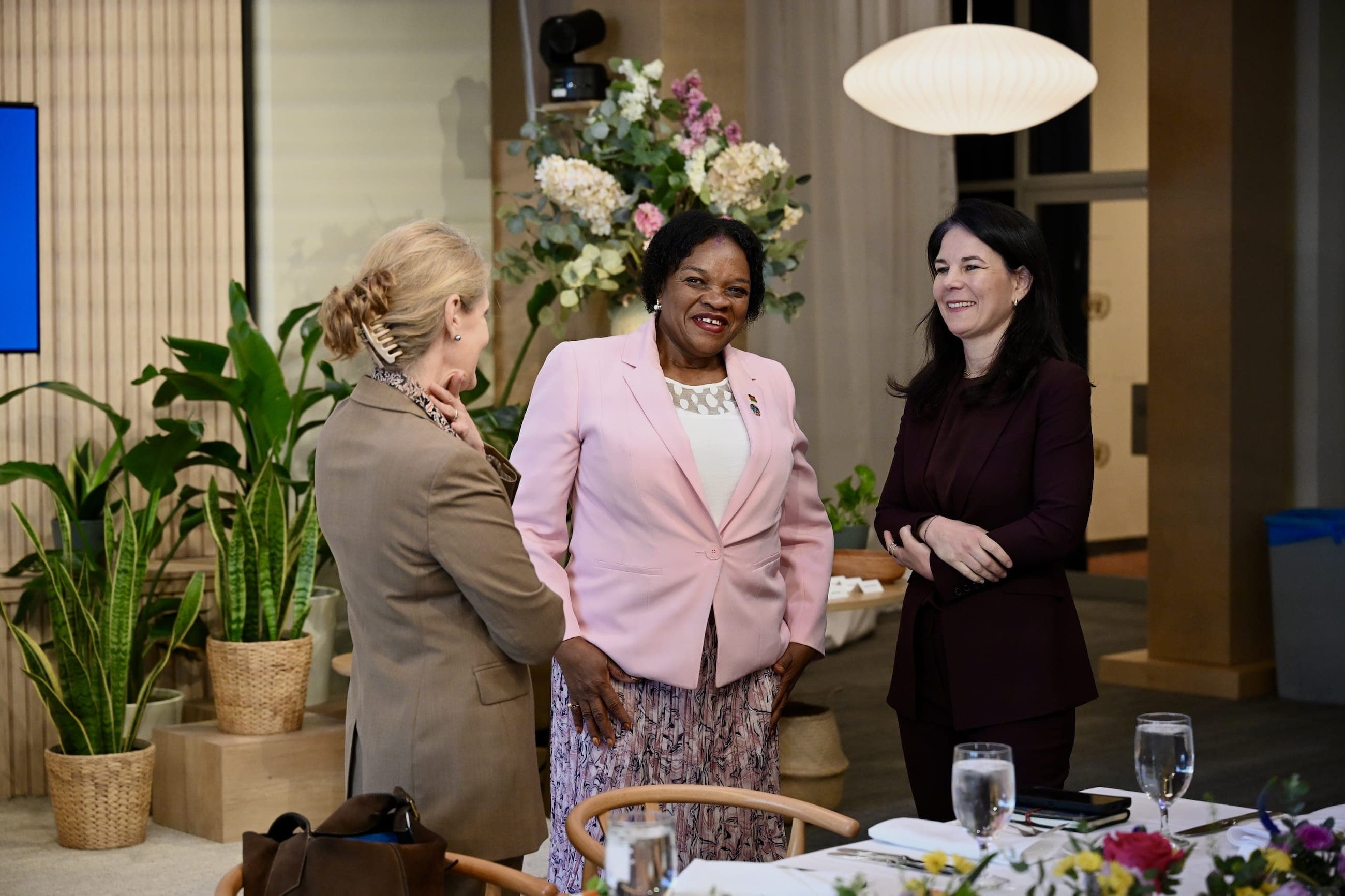
The grassroots rollout used communities with established relationships and audiences. Outreach travelled through Member State contacts, women leaders’ networks, parliamentary groups, UN initiatives, civil society organisations and youth networks. Direct contact helped the campaign enter professional, national and regional communities that the Office’s own accounts could not reach on their own.
Look beyond follower numbers
Several participants had modest global followings, but their posts reached communities with a direct connection to their work. Scientists, activists, diplomats and youth leaders brought the campaign into different national and professional conversations. Their relevance within those communities often mattered more than the overall size of their audience. This gave the grassroots component a value of its own within the wider campaign. It expanded the range of stories being told and the networks through which the campaign circulated.
Outcome
The campaign generated approximately 45 participant posts across platforms. OPGA amplified 21 Instagram posts through Stories and 10 posts on X. Participants ranged from youth activists and civil society leaders to ambassadors and foreign ministers. The campaign included contributions from 11 countries and every continent. Across the full campaign, posts reached approximately 2.2 million people. UN entities, partner organisations and media outlets in several countries also amplified the content.
Some of the most useful results appeared outside the central accounts. Participant stories were discussed in national media, adapted into different languages by UN information centres and circulated within local advocacy communities. The format was accessible enough for people to recognise that they could contribute, even when they were not celebrities or senior officials. The rollout also showed what could be improved. Earlier outreach would have helped secure contributors before International Women’s Day calendars became crowded. More real-time collaboration and cross-posting could have combined the audiences of OPGA and its partners while attention around the campaign was highest. The grassroots component worked because the route to participation was clear. People could quickly understand the idea, access the materials and adapt the format to a story of their own.
- ~2.2M
- total campaign reach
- ~45
- participant posts
- 21
- Instagram posts amplified
- 10
- X posts amplified
- 11
- nationalities
Credits Developed by the OPGA media and communications team. My main focus was grassroots outreach, participation tools and partner amplification.